








In Lancaster, PA, where the climate can vary, a well-maintained water heater is a necessity. Water heater maintenance not only extends the lifespan of your unit but also enhances its performance. By following expert advice, you can keep your water heater in top condition.
In the neighboring cities of York, PA, and Harrisburg, PA, homeowners understand the importance of regular upkeep. Water heater maintenance is key to avoiding unexpected cold showers and high energy bills. Simple steps can prevent most common issues, ensuring your system operates efficiently. It’s all about knowing what to do and when to do it.
Benjamin Franklin Plumbing, based in Lancaster, PA, offers valuable insights into water heater maintenance. Their expertise highlights the significance of routine checks and timely repairs. By adhering to their guidance, you can enjoy consistent hot water and avoid premature breakdowns. It’s a proactive approach to home management.
Adopting a regular water heater maintenance schedule can save you time and money. It’s an investment in your home’s comfort and energy efficiency. Whether you’re in Lancaster, York, or Harrisburg, the principles remain the same. Start today, and ensure your water heater remains reliable for years to come.
Understanding Your Water Heater’s Needs
Understanding your water heater’s needs begins with recognizing its role in your daily life. It provides hot water for showers, dishes, and laundry, making it a cornerstone of home comfort. In Lancaster, PA, where temperatures can swing, this becomes even more critical. Regular water heater maintenance ensures it meets these demands efficiently.
Water heaters, like any home appliance, have specific requirements to function optimally. In York, PA, for example, the quality of water can affect a unit’s longevity. Hard water can lead to sediment buildup, stressing the importance of flushing the tank annually. This step prevents efficiency loss and extends the unit’s lifespan.
In Harrisburg, PA, homeowners also face unique challenges due to seasonal changes. These shifts can impact how often maintenance tasks need to be performed. Inspecting elements like the pressure relief valve and the anode rod can catch issues before they escalate. Timely interventions can save homeowners from costly repairs or replacements.
Finally, understanding when to seek professional help is crucial in water heater maintenance. Some tasks, such as checking for gas leaks or replacing parts, require expert knowledge. Benjamin Franklin Plumbing experts are always ready to assist, ensuring your water heater remains in peak condition. Their guidance can make a significant difference in your system’s performance and durability.
Essential Tools for Water Heater Maintenance
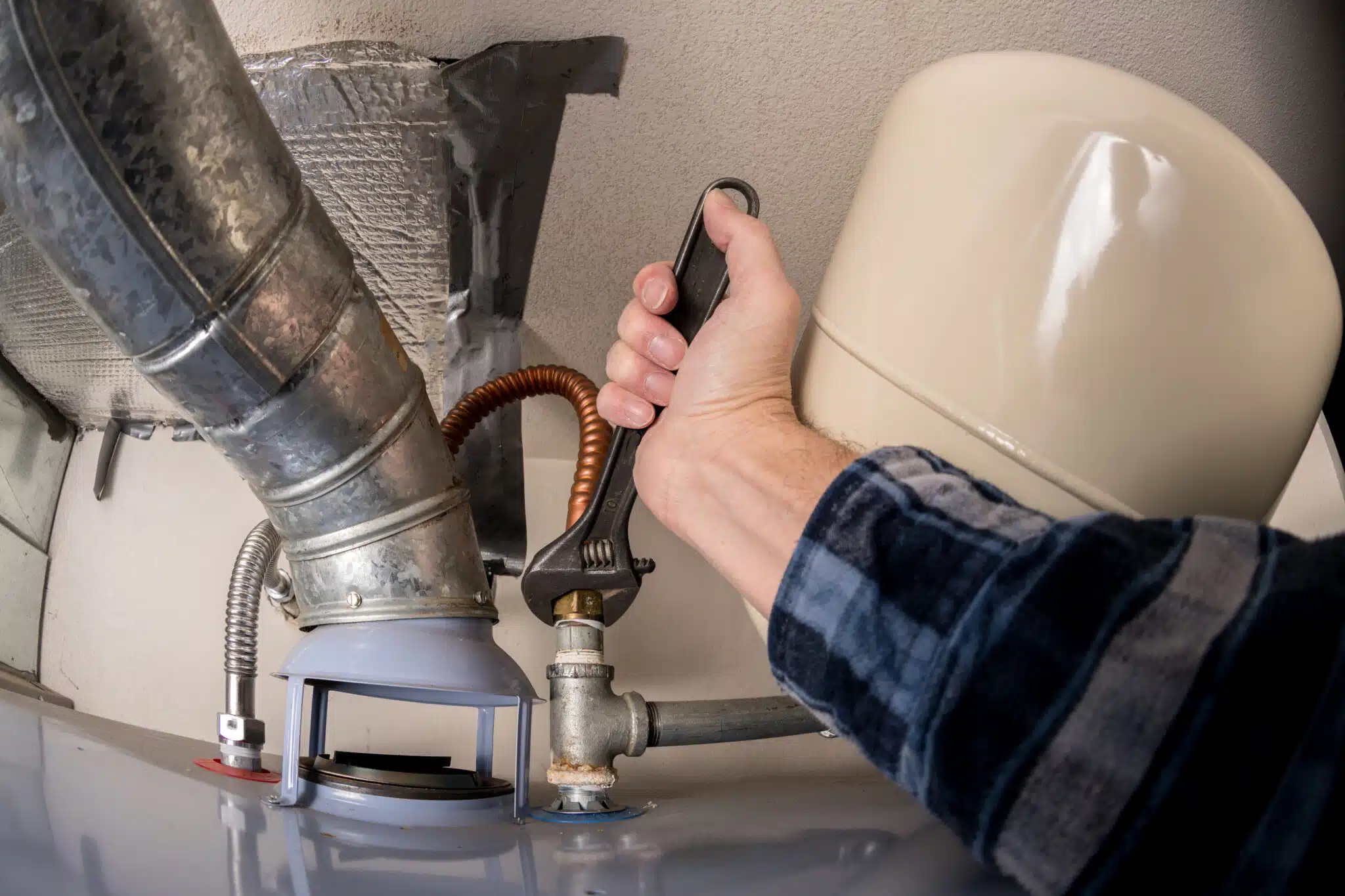
To keep your water heater in excellent condition, having the right tools is essential. For homeowners in York, PA, a basic toolkit can make water heater maintenance tasks more manageable. This kit should include items like a wrench, pliers, and a screwdriver. These tools will help you tighten connections, adjust settings, and perform basic repairs.
Another important tool for water heater maintenance is a garden hose. This is particularly useful for flushing the tank, a crucial step in preventing sediment buildup. In Harrisburg, PA, where water quality may contribute to faster sediment accumulation, regular flushing ensures your water heater operates efficiently. Connecting a hose allows for easy and thorough cleaning of the tank.
A multimeter also plays a vital role in maintaining your water heater. It’s used to check the electrical components, ensuring they are working correctly. This is especially important for electric water heaters, as it helps identify issues like a malfunctioning heating element. With a multimeter, you can safely verify power sources and avoid electrical hazards.
Lastly, a temperature gauge is indispensable for water heater maintenance. It allows you to monitor the water temperature accurately, ensuring it’s set within a safe and efficient range. Adjusting the temperature correctly can prevent overheating and reduce energy consumption. This simple tool can significantly impact your water heater’s performance and longevity.
Step-by-Step Guide to Draining and Flushing
Draining and flushing your water heater is a pivotal step in water heater maintenance, ensuring it runs efficiently. Start by turning off the power supply to avoid any safety hazards. This is crucial whether you’re in Lancaster, PA, or anywhere else, as it prepares the system for a safe maintenance process. Next, connect a garden hose to the tank’s drain valve, leading the other end to a safe drainage area.
Open the drain valve to allow water to flow out, effectively removing sediment that has accumulated at the bottom of the tank. In York, PA, where hard water is common, this step is especially important to prevent buildup. Let the water run until it looks clear, indicating most sediment has been flushed out. This process improves the efficiency of your water heater, contributing to its longevity.
After flushing, close the drain valve and remove the garden hose. Then, turn on the water supply to refill the tank, a critical step to ensure your system operates correctly. Watch for any leaks during this process, as they could indicate a need for further maintenance. In Harrisburg, PA, checking for leaks is essential due to the area’s varying water pressure, which can stress the system.
Finally, restore power to the water heater, and set the temperature to an optimal level to prevent overheating and save energy. Monitoring the first few cycles of heating can help identify any issues early on. This comprehensive approach to water heater maintenance keeps your system in prime condition, ensuring you always have access to hot water when you need it. Regularly performing these steps can significantly extend the life of your water heater, making it a worthwhile investment in your home’s efficiency and comfort.
Inspecting and Replacing the Anode Rod
Inspecting and replacing the anode rod is a critical aspect of water heater maintenance, often overlooked by homeowners. This rod, made of magnesium or aluminum, protects your tank from corrosion by sacrificing itself. In York, PA, where water quality can expedite corrosion, checking this component annually is advisable. If the rod is significantly worn down, replacing it can prevent leaks and extend the lifespan of your water heater.
To determine if the anode rod needs replacement, first, ensure the water heater’s power and water supply are turned off. This safety step is crucial to prevent any accidents during the inspection. Using a wrench, carefully remove the rod from the top of the water heater. If it’s less than half an inch thick or coated with calcium, it’s time for a new one.
Installing a new anode rod is straightforward but requires careful handling. After purchasing the right size and type for your water heater, wrap the threads with Teflon tape to ensure a secure fit. Insert the new rod into the tank, tightening it with a wrench. This simple maintenance task, performed correctly, can significantly impact the efficiency and durability of your system.
In Harrisburg, PA, regular maintenance, including anode rod inspection, ensures your water heater operates efficiently throughout the year. By following these steps, homeowners can avoid costly repairs and enjoy consistent hot water. Remember, if you’re unsure about performing this task, seeking professional help is a wise choice to maintain your water heater’s performance and safety.
Water Heater Maintenance Tips for Energy Efficiency
Keeping your water heater running efficiently is a great way to save on energy costs. One simple yet effective tip is to lower the temperature setting. In York, PA, reducing the temperature to around 120 degrees Fahrenheit can decrease energy consumption without sacrificing comfort. This adjustment not only conserves energy but also prolongs the life of your water heater by reducing wear.
Another key strategy for energy-efficient water heater maintenance involves insulating older units. Wrapping your water heater in an insulation blanket can significantly reduce heat loss. Homeowners in Harrisburg, PA, have found that this step leads to noticeable savings on their energy bills. Insulation kits are readily available and can be a cost-effective way to enhance your water heater’s efficiency.
Regularly checking for leaks is also crucial for maintaining an energy-efficient water heater. Even small drips can waste a significant amount of water and energy over time. By conducting a monthly inspection of the tank and connections, you can catch and address leaks early. This proactive approach not only saves water but also prevents potential damage to your home.
Lastly, consider upgrading to a more energy-efficient model if your water heater is nearing the end of its lifespan. Modern water heaters are designed with efficiency in mind, offering features that can drastically reduce your energy use. While the initial investment may be higher, the long-term savings on your energy bills and the environmental benefits make it a worthwhile consideration. Upgrading is a smart move for homeowners looking to optimize their water heater maintenance for energy efficiency.
Adjusting Temperature Settings for Safety and Savings
Adjusting the temperature of your water heater is a simple yet effective way to enhance safety and achieve savings. In York, PA, residents can benefit from this adjustment by lowering the risk of scalding hot water. This step also reduces the strain on your water heater, contributing to its overall efficiency. By setting the temperature to an optimal level, you ensure your system works less to heat water, extending its lifespan.
In addition to safety and savings, proper temperature settings can significantly lower your energy bills. A lower temperature means the water heater uses less energy to heat water, leading to cost savings. Homeowners in Harrisburg, PA, have noticed a decrease in their monthly expenses after making this adjustment. It’s a practical approach to water heater maintenance that pays off in the long run.
Regular monitoring of your water heater’s temperature setting is crucial for maintaining these benefits. Over time, the settings might shift or require adjustment due to changes in household demand or seasonal variations. By keeping an eye on the temperature, you can make quick adjustments as needed, ensuring your water heater operates efficiently year-round.
Lastly, consulting with a professional can help you determine the best temperature setting for your specific needs. They can offer tailored advice based on your water heater model and your household’s water usage patterns. This personalized guidance ensures you maximize safety and savings without compromising on comfort, making it an essential part of water heater maintenance.
When to Call a Professional for Water Heater Maintenance
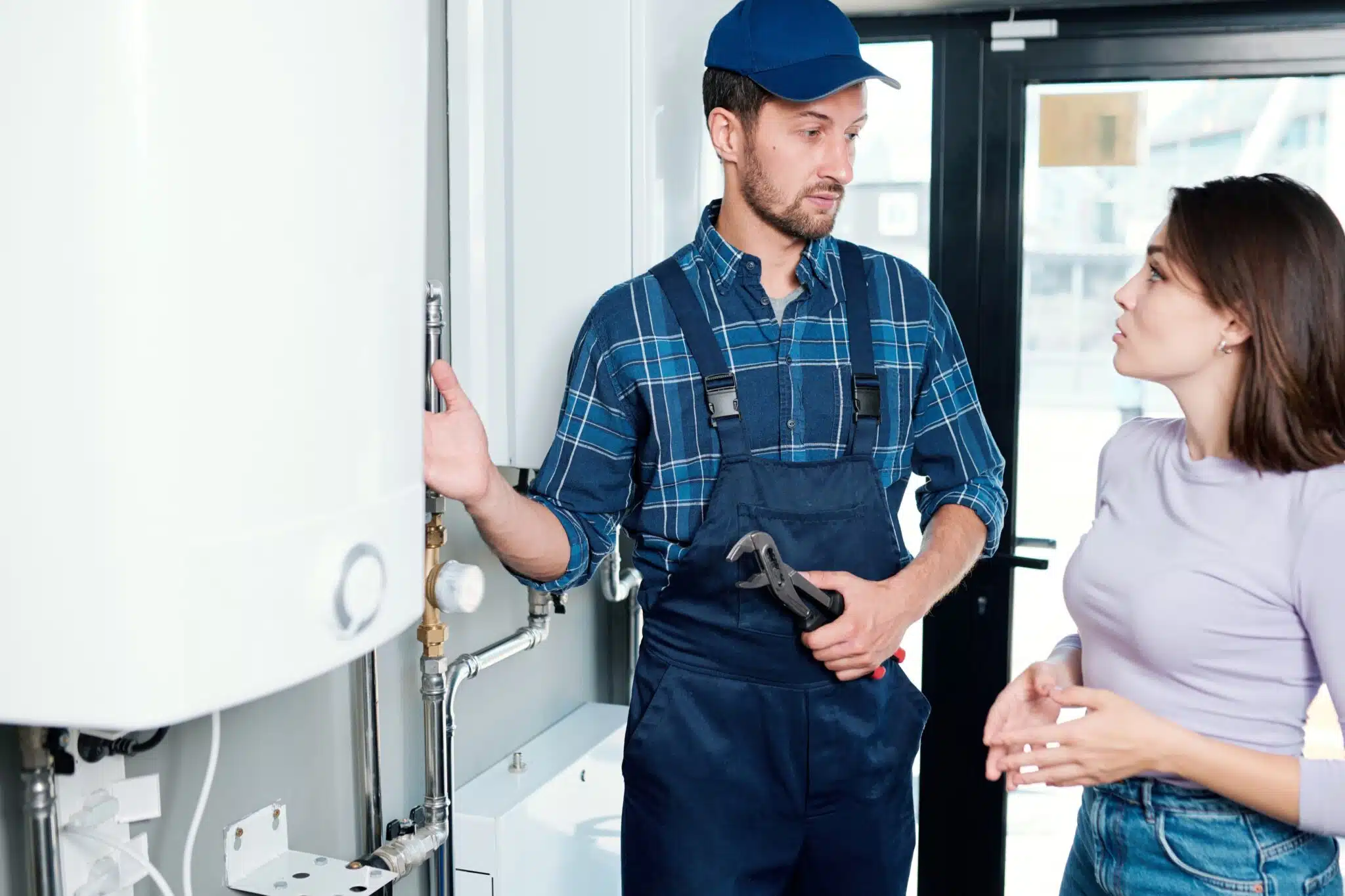
Knowing when to call a professional for water heater maintenance is crucial for homeowners in York, PA. While many tasks, such as draining the tank or checking the anode rod, can be DIY, certain situations require expert attention. For instance, if you notice water pooling around your heater or hear unusual noises, it’s time to seek help. Professionals can diagnose and fix issues that might be beyond the scope of regular maintenance.
In Harrisburg, PA, residents should also be aware of the age of their water heater when considering professional maintenance. As water heaters approach the end of their lifespan, typically around 10-15 years, they may require more frequent inspections. Calling in a professional can prevent unexpected failures and ensure your system operates efficiently. They can also advise when it’s more cost-effective to replace an older unit rather than repair it.
Another scenario requiring professional intervention is when you’re upgrading your water heater. Whether you’re switching to a more energy-efficient model or need a larger capacity, installation should be handled by experts. This ensures your new system is set up correctly, adhering to safety standards and local regulations. Professionals can also offer valuable advice on the best type of water heater for your home’s needs.
Lastly, regular professional inspections are a key component of water heater maintenance. Having an expert check your system annually can catch potential problems before they escalate. They can assess critical components, like the pressure relief valve and heating elements, ensuring everything functions as it should. This proactive approach can save you from costly repairs down the line, making it a wise investment for any homeowner.
Preventative Measures to Avoid Water Heater Problems
Adopting preventative measures is key to avoiding common water heater issues, ensuring your system remains efficient and reliable. In York, PA, homeowners can start by scheduling annual inspections. These check-ups help identify potential problems early, preventing costly repairs. Regular maintenance is the cornerstone of a well-functioning water heater.
One effective strategy is to keep the area around your water heater clear of debris. This not only facilitates easier access for maintenance but also reduces the risk of fire. In Harrisburg, PA, ensuring adequate ventilation is equally important, especially for gas water heaters. Proper airflow prevents the build-up of harmful gases, safeguarding your home and family.
Another preventative measure involves periodically testing the pressure relief valve. This simple task can prevent excessive pressure build-up, which could cause your water heater to malfunction or even burst. By lifting the valve’s lever gently, you can check if water flows freely, indicating it’s working correctly. If not, it’s time to replace the valve, a task best left to professionals.
Lastly, setting your water heater to an optimal temperature reduces wear and tear, extending its lifespan. Too high a temperature can accelerate the deterioration of internal components, leading to premature failure. Conversely, a lower, energy-efficient setting not only prolongs the unit’s life but also cuts down on energy costs. Water heater maintenance is not just about fixing problems but preventing them from happening in the first place.
Frequently Asked Questions
How often should I maintain my water heater?
To keep your water heater running smoothly, experts recommend annual maintenance. This routine check-up helps prevent unexpected issues and prolongs the unit’s life. During maintenance, professionals can spot minor problems before they turn major. Ensuring your water heater gets attention yearly boosts its performance and efficiency.
What are common water heater issues?
Common water heater problems include leaks, strange noises, and inconsistent water temperatures. Leaks can lead to water damage and should be addressed quickly. Noises often signal sediment buildup, requiring a flush. Fluctuating temperatures might indicate a faulty thermostat or heating element, both of which need professional attention. Regular water heater maintenance can help avoid these issues, ensuring your system runs efficiently.
Does water hardness affect my heater?
Water hardness can indeed impact your heater, leading to quicker wear and tear. Hard water deposits minerals inside the tank, reducing efficiency. Regular water heater maintenance helps remove these deposits. This keeps your system running smoothly and extends its lifespan.
What are key water heater maintenance steps?
To ensure your water heater remains in top condition, start with draining and flushing the tank annually to remove sediment buildup. Next, check the pressure relief valve to ensure it’s functioning correctly, preventing potential overpressure issues. Inspecting the anode rod every three years helps protect the tank from corrosion. Lastly, setting the temperature to an optimal 120 degrees Fahrenheit boosts efficiency and saves energy.
Can DIY water heater maintenance save money?
Doing water heater maintenance yourself can indeed cut costs. By tackling simple tasks, such as flushing the tank or checking the pressure relief valve, you avoid professional fees. However, it’s crucial to recognize when to call experts, especially for complex issues. Regular, careful DIY maintenance can prolong your unit’s life and improve its efficiency, saving money in the long run.