






As the humid Lancaster summers roll in, many homeowners face the challenge of toilet tank condensation. This common issue, while seemingly minor, can lead to water damage and mold growth if not addressed promptly. Fortunately, there are effective strategies to quickly reduce the sweating of your toilet tank, safeguarding your home from potential damage. Increasing ventilation, using a dehumidifier, or installing an anti-sweat valve are among the top solutions recommended for residents in Lancaster, PA, and the surrounding areas.
In nearby York, PA, the climate can also contribute to the prevalence of toilet tank condensation in homes. The moisture in the air during the warmer months can make this problem more pronounced, causing homeowners to seek fast and reliable solutions. Understanding the causes and implementing quick fixes can prevent the issue from escalating, ensuring a comfortable and safe environment for your family. Consulting with professionals like Benjamin Franklin Plumbing of Lancaster, PA, can provide peace of mind and lasting results.
For those living in Harrisburg, PA, the situation is no different. The summer humidity can turn your bathroom into a breeding ground for moisture-related issues, including toilet tank condensation. Tackling this problem head-on with practical measures like improving air circulation or considering plumbing upgrades can make a significant difference. It’s about finding the right balance between quick fixes and long-term solutions to maintain the integrity of your home’s plumbing system.
Choosing to address toilet tank condensation effectively requires a blend of immediate actions and professional advice. Whether you’re in Lancaster, York, or Harrisburg, PA, taking steps to reduce the humidity in your bathroom can prevent the inconvenience and damage caused by a sweating toilet tank. For those seeking a comprehensive solution, reaching out to the experts at Benjamin Franklin Plumbing of Lancaster, PA, ensures your plumbing needs are met with precision and care, keeping your home safe and dry throughout the humid months.
Understanding Toilet Tank Condensation
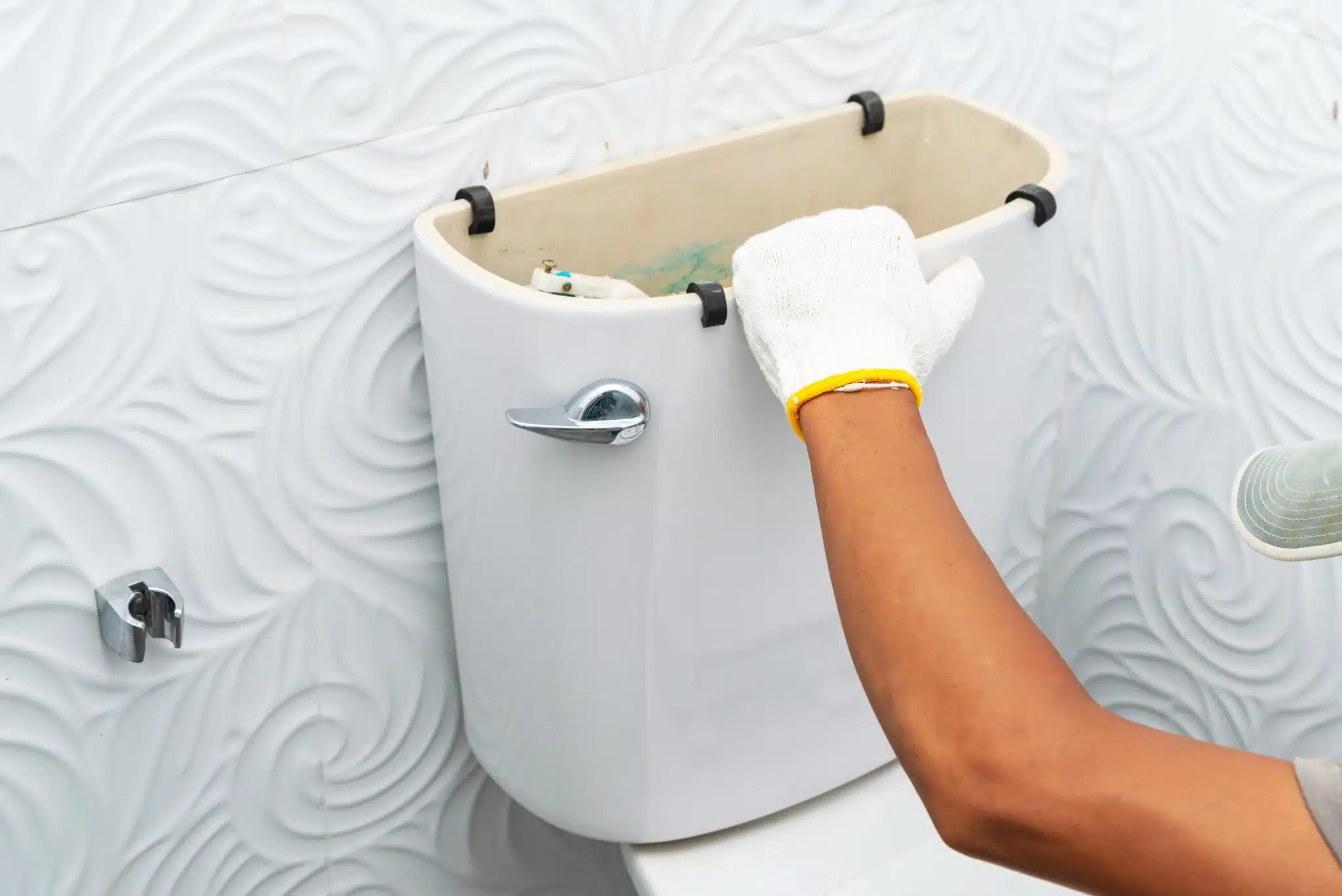
Toilet tank condensation is more than a minor nuisance; it’s a symptom of excessive moisture in your home’s environment. When warm, humid air meets the cooler surface of the toilet tank, water droplets form, leading to what we commonly refer to as “sweating.” This phenomenon is particularly prevalent during the steamy summer months in Lancaster, PA. Addressing this issue not only prevents water damage but also deters mold growth in your bathroom.
One effective way to combat toilet tank condensation is by improving the ventilation in your bathroom. Installing an exhaust fan or simply opening a window can significantly reduce humidity levels, making it harder for condensation to form. This method is a quick and cost-effective solution that homeowners in York, PA, have found beneficial. Enhanced air circulation ensures that moist air is expelled, keeping your bathroom drier and your toilet tank free from sweat.
Another strategy is the use of a dehumidifier in your bathroom or in adjacent areas. By pulling excess moisture from the air, a dehumidifier can maintain a balanced humidity level, mitigating the risk of toilet tank condensation. This approach is particularly useful in Harrisburg, PA, where humidity levels can soar during the summer. Not only does this protect your toilet tank, but it also contributes to a more comfortable and healthier home environment.
For a more permanent solution, consider installing an anti-sweat valve. This device mixes a little warm water with the cold water feeding into your toilet tank, raising the surface temperature to reduce condensation. While this requires an initial investment and professional installation, the long-term benefits are undeniable. Homeowners who opt for this solution enjoy a significant reduction in bathroom moisture issues, making it a worthwhile consideration for those looking to tackle toilet tank condensation head-on.
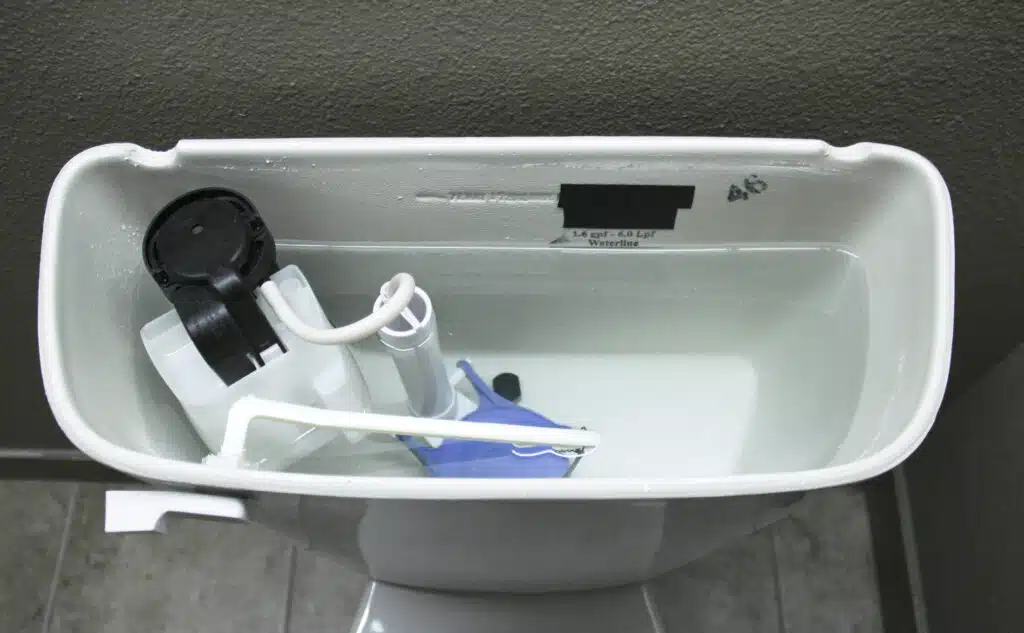
The Role of Humidity in Toilet Tank Condensation
Understanding the role of humidity in causing toilet tank condensation is crucial for homeowners in Lancaster, PA, and beyond. High humidity levels in the air during summer months create the perfect conditions for condensation to form on the cooler surfaces of toilet tanks. This is because the warm, moist air cools down when it comes into contact with the colder surface of the tank, leaving behind water droplets. Reducing indoor humidity is therefore key to preventing the issue, ensuring your bathroom remains dry and comfortable.
In York, PA, where similar humidity patterns are observed, managing indoor air quality can significantly help in combating toilet tank condensation. Simple practices such as using exhaust fans during and after showers and baths can greatly aid in lowering humidity levels. Additionally, keeping bathroom doors open when not in use encourages better air circulation throughout the house, further helping to reduce moisture in the air. These measures are straightforward yet effective in maintaining a drier bathroom environment.
Residents in Harrisburg, PA, can also benefit from monitoring and adjusting their home’s humidity levels to tackle toilet tank condensation. Using air conditioners or central heating systems with humidity control settings can make a big difference in maintaining optimal indoor humidity levels. Such systems work by removing excess moisture from the air, thus preventing the warm, humid air from condensing on cooler surfaces like toilet tanks. It’s a proactive approach to ensure your home stays comfortable and condensation-free during the humid months.
Finally, understanding that toilet tank condensation is a manageable issue can provide homeowners with peace of mind. By taking steps to control indoor humidity, such as improving ventilation, using dehumidifiers, or adjusting your home’s heating and cooling systems, you can effectively reduce the risk of condensation. These actions not only protect your home from potential water damage and mold growth but also contribute to a healthier living environment. For lasting solutions and professional advice, consulting with experts like Benjamin Franklin Plumbing of Lancaster, PA, is always a wise choice.
Simple Ways to Increase Ventilation in Your Bathroom
Increasing bathroom ventilation is a straightforward yet effective way to combat toilet tank condensation. Opening a window or installing an exhaust fan can swiftly remove the humid air, making it less likely for condensation to occur. This method not only keeps the bathroom air fresh but also significantly reduces moisture levels. Homeowners in York, PA, have found success with this approach, noting a marked decrease in bathroom humidity.
Another practical tip is to leave the bathroom door open when it’s not in use, especially after taking a hot shower or bath. This simple action encourages the flow of air, helping to distribute moisture evenly throughout the house and prevent it from settling on cooler surfaces like the toilet tank. It’s a cost-effective solution that requires minimal effort but offers significant benefits in reducing toilet tank condensation. Residents in Harrisburg, PA, can easily implement this strategy to maintain a drier bathroom environment.
Using a small, portable fan to improve air circulation in the bathroom is another ingenious solution. Placing it in a safe, dry area can help circulate air more effectively, speeding up the evaporation of any lingering moisture. This method is particularly useful during the humid summer months, ensuring that the bathroom remains comfortable and free from excessive moisture. It’s a quick fix that can make a noticeable difference in the battle against toilet tank condensation.
Lastly, considering the installation of a ventilation system specifically designed for bathrooms can offer a long-term solution to moisture and condensation issues. These systems are engineered to efficiently remove humid air, keeping the bathroom environment dry and preventing the formation of condensation on toilet tanks and other surfaces. While it represents an investment, the payoff in terms of reduced mold risk and a more comfortable bathroom atmosphere is well worth it for many homeowners.
The Benefits of Using a Dehumidifier
Incorporating a dehumidifier into your home is a powerful strategy to tackle toilet tank condensation effectively. This device works by extracting excess moisture from the air, maintaining a balanced humidity level that discourages condensation. Homeowners in York, PA, have observed a noticeable decrease in bathroom moisture after using a dehumidifier, highlighting its efficiency. It’s a practical solution that not only addresses toilet tank sweating but also enhances overall air quality.
Placing a dehumidifier near the bathroom or in it can significantly mitigate the risk of mold and water damage associated with toilet tank condensation. The device’s ability to maintain lower humidity levels makes it harder for condensation to form on the cold surface of the toilet tank. Residents in Harrisburg, PA, can benefit from this simple yet effective approach, especially during the humid summer months. It’s an investment in your home’s health and comfort, offering a drier and more pleasant bathroom environment.
Regularly emptying and maintaining the dehumidifier ensures it operates at peak efficiency, providing continuous protection against toilet tank condensation. This proactive measure prevents the buildup of moisture in your bathroom, safeguarding against the potential for mold growth and water damage. It’s a straightforward task that contributes significantly to the longevity and effectiveness of the device. By keeping the dehumidifier in optimal condition, homeowners can enjoy a moisture-free bathroom year-round.
Consulting with professionals like Benjamin Franklin Plumbing of Lancaster, PA, can help you determine the best dehumidifier for your specific needs. Their expertise ensures that you select a model that effectively combats toilet tank condensation, fitting seamlessly into your home’s environment. This guidance is invaluable for achieving lasting solutions to moisture issues, ensuring your bathroom remains dry and comfortable despite the humid climate. It’s a step towards maintaining a healthy living space, free from the challenges of excessive moisture.
Installing an Anti-Sweat Valve: A Step-by-Step Guide
Installing an anti-sweat valve is a definitive step toward managing toilet tank condensation effectively. This innovative device works by mixing warm water with the cold water supply to your toilet, raising the tank’s surface temperature. As a result, the warmer surface significantly reduces the likelihood of condensation forming. Homeowners in York, PA, have praised this solution for its efficiency in keeping their bathrooms dry and comfortable.
The installation process begins with turning off the water supply to your toilet to ensure a safe working environment. Next, draining the tank completely avoids any potential water mess during the installation. This preparatory step is crucial for a smooth installation process, allowing for a clean and dry area to work in. Residents in Harrisburg, PA, have found that taking these initial steps carefully ensures a hassle-free installation, leading to better outcomes.
Attaching the anti-sweat valve requires some basic plumbing skills, including cutting into the water supply line and fitting the valve accordingly. It’s important to follow the manufacturer’s instructions closely to ensure the valve is installed correctly. This precision helps maintain the integrity of your plumbing system while effectively addressing toilet tank condensation. The effort put into this step pays off by significantly reducing moisture levels in your bathroom.
For those unsure about tackling this project alone, seeking professional assistance is a wise choice. Experts like Benjamin Franklin Plumbing of Lancaster, PA, are well-versed in installing anti-sweat valves, ensuring the job is done right the first time. Their expertise not only guarantees a reduction in toilet tank condensation but also preserves the longevity of your plumbing system. Opting for professional installation offers peace of mind, knowing your bathroom is in capable hands.
When to Call Benjamin Franklin Plumbing for Help
While tackling toilet tank condensation through DIY methods can be effective, there are instances where professional help becomes necessary. If you’ve tried improving ventilation, using a dehumidifier, or even installing an anti-sweat valve with limited success, it might be time to consult with experts. In York, PA, homeowners often reach out when they notice persistent condensation despite their best efforts. This is a clear indication that underlying plumbing issues may be contributing to the problem, requiring a professional assessment.
Consulting with Benjamin Franklin Plumbing is especially crucial when you observe signs of water damage or mold growth around your toilet. These signs suggest that the condensation issue may have led to more serious problems, possibly affecting the structural integrity of your bathroom. Residents in Harrisburg, PA, have found that early intervention by professionals can prevent minor issues from escalating. Addressing these concerns promptly ensures the safety and comfort of your home environment.
Benjamin Franklin Plumbing of Lancaster, PA, offers comprehensive evaluations to identify the root cause of toilet tank condensation. Their team of skilled plumbers can determine whether your plumbing system needs upgrading or if there are other humidity control measures to consider. This expert approach not only resolves the immediate issue but also helps prevent future occurrences. Trusting professionals with this task guarantees a thorough and lasting solution to toilet tank condensation.
Finally, if you’re planning significant bathroom renovations or updates to your plumbing system, seeking advice from Benjamin Franklin Plumbing is advisable. They can offer insights into the best moisture-resistant fixtures and efficient plumbing designs to combat toilet tank condensation. Their expertise ensures that any upgrades contribute to a drier, more comfortable bathroom atmosphere. For homeowners looking for reliable solutions to toilet tank condensation, professional guidance is invaluable.
Preventing Toilet Tank Condensation: Long-Term Solutions
Preventing toilet tank condensation effectively requires adopting long-term strategies that go beyond temporary fixes. One sustainable approach is to upgrade your bathroom’s insulation, especially around the toilet area. This helps maintain a consistent temperature, reducing the chances of warm air condensing on the cooler surface of the toilet tank. Homeowners in York, PA, have seen significant improvements by implementing this method, keeping their bathrooms drier and more comfortable.
Another reliable solution is to consider the installation of a new, more efficient toilet designed to minimize condensation. Modern toilets often come with features that help regulate temperature or reduce the amount of cold water in the tank. This can be particularly beneficial for residents in Harrisburg, PA, where high humidity levels make toilet tank condensation a common issue. Investing in such a toilet not only addresses the condensation problem but also enhances the overall efficiency of your bathroom.
Regular maintenance of your home’s HVAC system plays a crucial role in controlling indoor humidity levels, directly impacting the severity of toilet tank condensation. Ensuring that your air conditioning and heating systems are functioning optimally can help maintain a balanced indoor climate. This prevents excessive moisture from hanging in the air, thereby reducing the likelihood of condensation forming on your toilet tank and other surfaces.
Lastly, integrating smart home technology to monitor and adjust your indoor humidity levels can provide a proactive approach to preventing toilet tank condensation. Devices that automatically adjust the humidity based on real-time readings ensure your home remains within the ideal humidity range. This not only helps in mitigating toilet tank condensation but also contributes to a healthier living environment, free from mold and mildew risks. With these long-term solutions, homeowners can enjoy a more comfortable and dry bathroom year-round.
Upgrading Your Plumbing to Combat Condensation
Upgrading your plumbing system is a strategic move to tackle toilet tank condensation effectively. In York, PA, homeowners have discovered that modern plumbing solutions can significantly mitigate this issue. By consulting with professionals, you can explore options like insulated toilet tanks which prevent the formation of condensation by keeping the tank’s surface at a more consistent temperature. This upgrade not only reduces moisture but also enhances the overall functionality of your bathroom.
In Harrisburg, PA, residents have taken advantage of advanced plumbing materials that resist temperature changes, further preventing toilet tank condensation. These materials, when used in pipes and toilet components, help maintain warmer surfaces, reducing the likelihood of condensation. Such improvements not only address the immediate problem but also add value to your home by ensuring a more efficient and durable plumbing system. It’s a practical investment that pays off by creating a more comfortable and dry bathroom environment.
Regular inspections and maintenance of your plumbing system can also play a crucial role in preventing toilet tank condensation. A professional plumber can identify and rectify any issues that may contribute to excessive moisture, such as leaks or inefficient water usage. Keeping your plumbing in top condition prevents the buildup of humidity in the bathroom, thereby reducing the risk of condensation. It’s a proactive approach that maintains the health of your plumbing system and your home’s environment.
Lastly, considering a complete bathroom remodel with toilet tank condensation in mind offers a comprehensive solution. Incorporating elements like proper ventilation, moisture-resistant materials, and efficient plumbing fixtures can transform your bathroom into a space that naturally combats condensation. This holistic approach not only addresses the issue at hand but also updates your bathroom to a modern, efficient space. With careful planning and professional guidance, you can achieve a bathroom that remains dry, comfortable, and free from the challenges of toilet tank condensation.

Frequently Asked Questions
What causes toilet tank condensation?
Toilet tank condensation happens when warm, humid air meets the cooler surface of the tank, causing moisture to form. This is common in Lancaster’s humid summers. The difference in air and water temperature leads to this sweating effect. To manage it, improving air circulation or adjusting room temperature can help significantly.
How can I quickly reduce toilet tank condensation?
To quickly tackle toilet tank condensation, start by enhancing room ventilation or using a dehumidifier to lower humidity. Installing an anti-sweat valve also effectively regulates the water temperature in the tank. For a permanent solution, consider consulting Benjamin Franklin Plumbing in Lancaster, PA, to explore upgrades. These steps can efficiently reduce sweating and prevent moisture-related issues.
Are anti-condensation liners effective?
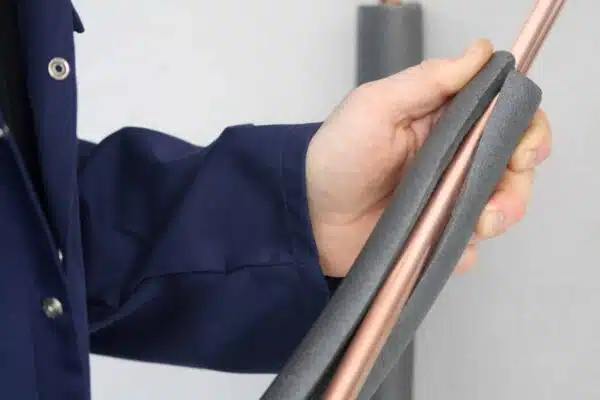
Yes, anti-condensation liners are indeed effective. They act as a barrier, keeping the outer surface of the tank warmer. This reduces the chance of toilet tank condensation by minimizing temperature differences. For best results, pairing these liners with other methods like using a dehumidifier can greatly diminish moisture issues.
What materials help prevent toilet tank condensation?
Several materials can prevent toilet tank condensation effectively. Insulating liners inside the tank create a barrier against cold, reducing moisture buildup. Additionally, anti-sweat valves adjust the water temperature, stopping condensation. For comprehensive solutions, Benjamin Franklin Plumbing in Lancaster, PA, offers professional advice and installation services.
Can ventilation reduce toilet tank condensation?
Absolutely, increasing ventilation can significantly cut down on toilet tank condensation. Opening windows or installing an exhaust fan helps move humid air out quickly. This action keeps the bathroom air drier, making the tank less likely to sweat. For lasting results, Benjamin Franklin Plumbing in Lancaster, PA, can offer more tailored solutions.